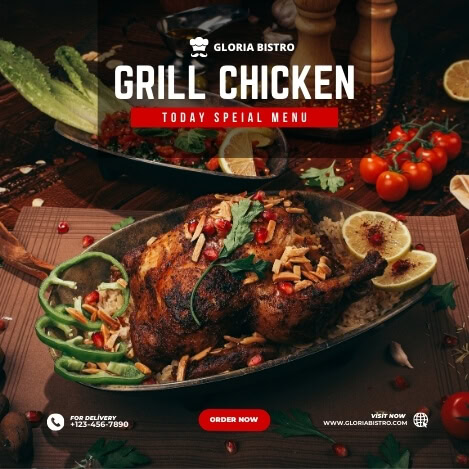
Per 100 g product
- Calories:160 kcal8%
- Energy:670 kJ8%
- Protein:9.5 g11%
- Carbs:26.4 g10%
- Sugar:1.6 g6%
- Salt:750 mg33%
- Fat:5.4 g10%
- Prepare the Ingredients

Proper preparation is key to a smooth and enjoyable cooking process. Start by measuring 500 grams of chicken, 2 lemons, 3 teaspoons of olive oil, 4 garlic cloves, 1 chili pepper, 2 teaspoons of parsley, and the remaining ingredients accurately. Cut the chicken into bite-sized pieces for even cooking, and dice the bell peppers and onions into similar-sized chunks to ensure uniform grilling. Mince the garlic finely to release its full, aromatic flavor. Soak the wooden skewers in water for at least 30 minutes to prevent burning or splintering during grilling. Arrange and organize all the ingredients neatly in advance to avoid last-minute scrambling and ensure a seamless, efficient, and enjoyable assembly process that leads to a perfectly prepared dish.
- Make the Marinade
In a large mixing bowl, whisk together the juice of 2 lemons, 3 teaspoons of olive oil, 4 minced garlic cloves, 1 chopped chili pepper, 2 teaspoons of parsley, 1 teaspoon of salt, 1/2 teaspoon of black pepper, and 1 teaspoon of cumin. Whisk thoroughly to blend the ingredients until the salt and cumin are fully dissolved. Add the chicken pieces to the bowl, making sure each piece is well coated with the marinade. Massage the marinade into the chicken to maximize flavor absorption. Cover the bowl with plastic wrap and let it marinate for at least 20 minutes at room temperature. For more intense flavor, refrigerate the chicken for up to 2 hours.
- Assemble the Skewers
Thread marinated chicken onto soaked skewers, alternating with bell pepper and onion chunks. Distribute chicken and vegetables evenly to balance flavors and ensure consistent cooking. Leave small gaps between pieces for better heat circulation during grilling, preventing uneven cooking. Avoid overcrowding, as this can cause chicken to cook improperly. Brush leftover marinade over skewers for extra flavor. The colorful vegetables and marinated chicken create an appealing presentation. Secure ingredients firmly to prevent slipping off during grilling. Well-assembled skewers ensure efficient grilling and an attractive final dish.
- Grill the Skewers
Preheat your grill to medium-high heat and lightly oil the grates to prevent sticking. Place the skewers on the grill, leaving some space between them for even heat distribution. Grill the skewers for 10-12 minutes, turning them occasionally to cook all sides evenly. Baste with any leftover marinade for added moisture and flavor. The chicken should be cooked through, with a slight char on the outside, while the vegetables should be tender but still crisp. Use a meat thermometer to ensure the chicken reaches an internal temperature of 75°C (165°F) for safe consumption. Once the skewers are grilled to perfection, carefully remove them and let them rest for a few minutes. Resting allows the juices to redistribute, keeping the chicken moist, juicy, and flavorful when served.
- Serve and Enjoy
Allow the skewers to rest briefly to lock in their juices before serving. Pair them with roasted potatoes, a fresh green salad, or warm pita bread for a complete and satisfying meal. Drizzle the skewers with fresh lemon juice or sprinkle with extra parsley for added zest and brightness. These skewers are perfect for family dinners, barbecues, or casual gatherings with friends and loved ones. Serve with flavorful dips like tzatziki, hummus, or garlic sauce to enhance the flavors even more. The combination of spicy, tender chicken and crisp, charred vegetables creates a dish that is both flavorful and deeply satisfying. The vibrant colors, enticing aroma, and rich taste make these skewers a crowd-pleaser, bringing people together to enjoy a delicious, memorable, and heartwarming meal experience.


Seafood paella, known in Spanish as Paella de Marisco, represents one of Spain’s most beloved culinary treasures and stands as the crown jewel of Valencian coastal cuisine. This comprehensive guide will walk you through creating an authentic seafood paella that captures the essence of Spanish tradition, from the golden saffron-infused rice to the perfectly cooked fresh seafood, all crowned with the coveted socarrat—the prized crispy bottom layer that distinguishes a truly exceptional paella.
Historical Origins and Cultural Significance
Paella originated in the Valencia region of eastern Spain during the 15th and 16th centuries, born from the practical needs of farmers and field workers who cooked rice with whatever ingredients were readily available. The dish takes its name from the wide, shallow pan called a paellera, derived from the Latin word “patella” meaning pan. While traditional Paella Valenciana contained no seafood—featuring instead chicken, rabbit, snails, and vegetables—the coastal influence eventually gave birth to seafood paella as Mediterranean fishermen and coastal communities adapted the dish to include the bounty of the sea.
Rice cultivation in Valencia dates back over 1,000 years to the Moorish period, when sophisticated irrigation systems were established in the 8th century. The fertile Albufera wetlands near Valencia became the heartland of Spanish rice production, providing the perfect growing conditions for the unique varieties that make authentic paella possible.
Essential Equipment and Tools for Making Seafood Paella
The paella pan is absolutely essential for authentic results and cannot be substituted with regular cookware. A proper paellera must be wide and shallow—never more than 2 inches deep—to ensure even cooking and proper rice texture. For 6-8 servings, use a 15-17 inch (38-42cm) pan. Traditional carbon steel pans are preferred by professionals for their superior heat response and development of natural non-stick properties over time.
Heat Source and Burners
Authentic paella requires consistent, adjustable heat distribution. Professional paella burners feature multiple concentric rings that can be controlled independently, allowing precise heat management throughout the cooking process. For home cooking, a large gas burner or outdoor paella-specific burner provides the best results.
Additional Tools
Essential accessories include a long-handled paella spoon for stirring and serving, tongs for arranging seafood, and optionally a lid for resting (though traditional paella is cooked uncovered). A mortar and pestle is highly recommended for properly preparing saffron.

Rice: The Foundation of Great Paella
Bomba Rice – The Gold Standard
Bomba rice is considered the supreme variety for paella, capable of absorbing up to three times its volume in liquid while maintaining firm, separate grains. This ancient Spanish variety grows slowly in mountain regions, particularly in Calasparra, Murcia, where pure mountain water extends the growing period by 30%, producing exceptionally dry grains ready to absorb maximum flavor.
Bomba rice’s unique high amylose content prevents stickiness while its exceptional absorption capacity (1:3 ratio of rice to liquid) allows it to soak up the complex flavors of saffron, seafood stock, and aromatics without losing its structure. The Denominación de Origen (D.O.) certification guarantees authenticity and quality.
Alternative Rice Varieties
When Bomba rice is unavailable, Calasparra rice offers similar properties with D.O. protection. Arborio rice can serve as a substitute but requires reduced liquid (1:2-2.5 ratio) and careful monitoring to prevent excessive creaminess. Medium-grain rice varieties work as budget alternatives but won’t achieve the same authentic texture.
Saffron: The Soul of Paella
Proper Saffron Preparation
Saffron is the most crucial spice in paella, providing the characteristic golden color, subtle floral aroma, and distinctive flavor. Spanish saffron from La Mancha carries Protected Designation of Origin status and represents the highest quality available.
The proper preparation technique involves toasting saffron threads in a dry pan or aluminum foil for 15-30 seconds to release essential oils. The toasted threads should then be ground in a mortar and pestle and steeped in 2 tablespoons of warm stock for 15-20 minutes. This infusion process ensures maximum color extraction and even distribution throughout the rice.
Seafood Selection and Preparation
Premium Seafood Choices
Authentic seafood paella typically features a combination of fresh shellfish and mollusks:
- Fresh mussels (12-15 pieces): Must be alive, with tightly closed shells
- Raw jumbo shrimp/prawns (12-15 pieces): Peel and devein, leaving tails for presentation
- Fresh squid (1 tube, 200g): Clean thoroughly and slice into rings
- Fresh clams (12-15 pieces): Scrub shells and purge in salt water
- Langoustines (8-10 pieces): Optional luxury addition for special occasions
Seafood Preparation Techniques
Quality and freshness are paramount. Mussels should be scrubbed clean with beards removed, and any that remain open after handling should be discarded. Shrimp should be peeled and deveined while retaining tails for visual appeal. Squid requires thorough cleaning and should be cut into uniform rings for even cooking.
Creating Authentic Seafood Stock
Homemade Stock Recipe
A rich, flavorful stock forms the foundation of exceptional paella. The best seafood stock utilizes shells and heads from prawns and langoustines:
Ingredients for 1.5 liters of stock:
- Shells and heads from 500g prawns and langoustines
- 2 tablespoons olive oil
- 200g each: onion, carrot, leek (roughly chopped)
- 150g celery, chopped
- 1 head garlic, halved
- 3 bay leaves, 1 sprig rosemary, 3 sprigs parsley
- 100ml white wine, 100ml brandy
- 5 liters water
Method:
- Roast shells in 200°C oven for 15 minutes
- Sauté vegetables in olive oil until soft
- Add herbs and roasted shells, cook 2 minutes
- Flambé with brandy, then add wine and reduce
- Add water and simmer for 30 minutes
- Strain thoroughly for clear stock
Nutritional Profile and Serving Information
A serving of seafood paella provides approximately 365 calories with significant amounts of protein from the varied seafood. The dish offers excellent nutritional value through high-quality proteins, complex carbohydrates from rice, and beneficial omega-3 fatty acids from the seafood components. Saffron contributes antioxidants, while the vegetables provide essential vitamins and minerals.
Seafood paella serves 6-8 people as a main course when prepared in a 15-17 inch pan. The traditional serving style involves eating directly from the paella pan using individual forks, creating a communal dining experience that reflects Spanish cultural values.
Wine Pairing and Accompaniments
Traditional Spanish Wine Pairings
Spanish white wines pair exceptionally well with seafood paella, particularly Albariño from Rías Baixas or Verdejo from Rueda. These wines complement the saffron and seafood flavors without overwhelming the delicate balance. Spanish rosé wines from Navarra or Rioja offer another excellent pairing option, providing enough body to match the dish’s complexity while maintaining freshness.
Complementary Dishes
Authentic Spanish accompaniments include crusty bread for soaking up flavors, simple green salads with sherry vinaigrette, and Marcona almonds as appetizers.
Spanish olives provide an authentic touch that prepares the palate for the main course.
Variations and Regional Adaptations
Paella Mixta
Mixed paella (Paella Mixta) combines seafood with chicken and Spanish chorizo, representing a popular variation that bridges land and sea flavors. This version requires careful timing to ensure both meat and seafood cook properly without overcooking delicate components.
Seasonal Adaptations
Seasonal ingredient variations reflect traditional Spanish cooking philosophy. Spring vegetables like artichokes and fresh beans can supplement the basic recipe, while summer tomatoes provide peak flavor for the sofrito base. Winter versions might include heartier seafood like monkfish or cod.
Troubleshooting Common Problems
Rice-Related Issues
Mushy rice typically results from excessive liquid or forbidden stirring during cooking. Undercooked rice can be corrected by adding small amounts of hot stock and continuing to cook. Burnt bottoms without proper socarrat indicate excessive heat too early in the process.
Seafood Problems
Overcooked shrimp become rubbery when added too early—they should curl but remain tender. Unopened mussels or clams after cooking must be discarded for food safety. Rubbery squid results from overcooking and can be prevented by adding it later in the process.
Storage and Food Safety
Seafood paella should be consumed fresh for optimal taste and safety. Refrigerate leftovers within 2 hours and consume within 2 days. Never freeze seafood paella as the texture will deteriorate significantly. When reheating, add small amounts of stock and heat gently to prevent further cooking the seafood.
Cultural Context and Social Significance
Paella transcends mere cuisine to represent Spanish social tradition and community bonding. The cooking process itself becomes part of the celebration, with family and friends gathering around the pan to share stories and create memories. This communal aspect explains why authentic paella is always served directly from the cooking pan rather than being plated individually.
Understanding this cultural context enhances appreciation for the dish and explains why certain techniques—like the prohibition against stirring—carry such importance in Spanish culinary tradition. Paella represents patience, skill, and respect for ingredients—values that reflect broader Spanish approaches to food and life.
Creating authentic seafood paella requires dedication to traditional techniques, quality ingredients, and respect for Spanish culinary heritage. While the process demands attention and patience, the results—a pan of golden, aromatic rice crowned with perfectly cooked seafood and finished with the coveted socarrat—justify every moment of careful preparation. This iconic dish brings people together around a shared experience that celebrates both the bounty of the sea and the rich traditions of Spanish coastal cuisine.
¡Buen provecho!